Listeners:
Top listeners:
00:00
00:00
volume_up
chevron_left
-
 play_arrow
Costa Blanca Radio The Sound Of The Costa
-
 play_arrow
FeelGood Radio The Sound Of The Costa
music_note
The plant-based cuisine of the Costa: how vegan food is finding its place in Spain

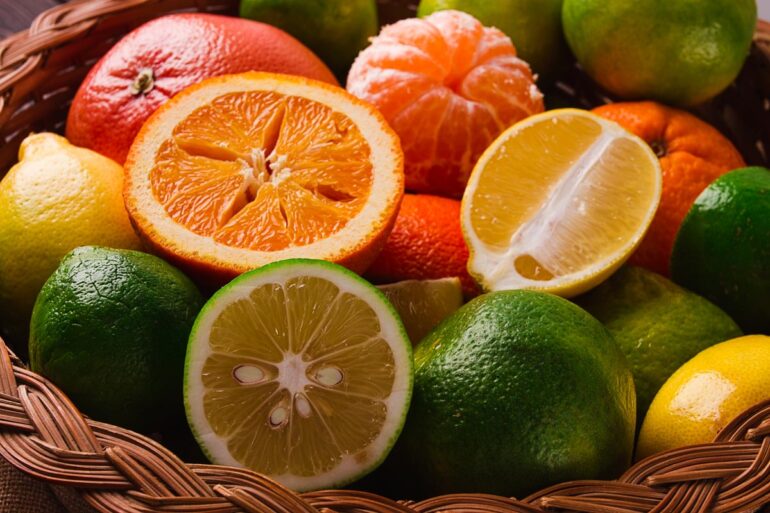
Across the Costa, the smell of the kitchen is changing. Where meat, fish and ham once dominated the culinary landscape, more and more restaurants and home cooks are shifting towards vegetables, pulses, nuts and citrus. Not as part of a trend-driven “vegan hype”, but as a logical step in a region where Mediterranean cooking has always been rooted in simplicity and seasonal produce.
In cafés, market stalls and restaurant menus, the shift is unmistakable: vegan food in Spain is no longer an exception, but a standard option — and sometimes even the heart of the menu. The Costas are following the same path that cities like Barcelona and Valencia took years ago.
Why vegan fits Spain so naturally
Mediterranean cuisine has always had a strong plant-based foundation: beans, lentils, chickpeas, vegetables, citrus, almonds, mushrooms and generous amounts of olive oil. That makes Spain feel far less “foreign” to anyone who eats plant-based. Ingredients are abundant, quality is high, and prices are often more favourable than in Northern Europe.
 Alongside this, awareness around sustainability and health is growing in Spain, just as it is elsewhere. Restaurants are responding with more creative cooking: less imitation meat, more vegetables and local ingredients prepared in new ways. That makes this plant-based movement interesting not only for vegans, but also for anyone who simply enjoys good food.
La Carleta: plant-based with its own philosophy
The idea that Spanish cuisine is too traditional for vegan food still lingers — Spain as the land of meat, fish and ham. It’s a stereotype Carla knows well. In 2018, she founded La Carleta in Ondara, a plant-based project where food, nature and wellbeing come together. Working with seasonal produce and local ingredients, La Carleta’s kitchen is closely tied to the landscape and rhythm of the region.
According to Carla, tradition itself is the key. “Spanish cuisine isn’t rigid, it’s wise. And far more plant-based than it seems at first glance,” she says. “Before meat took centre stage, our gastronomy revolved around pulses, vegetables from the huerta, rice dishes and simple stews. The foundation was always whatever the land provided at that moment.”
At La Carleta, that philosophy guides everything. The product comes first; season and place lead the way. The area around Ondara offers an abundance of raw materials: vegetables from the huerta, citrus, rice, pulses and aromatic herbs form the backbone of many dishes.
Carla sees plant-based cooking not as a trend, nor as an attempt to imitate anything, but as a renewed way of looking at what already existed. A way to bring tradition, seasonality and place together without becoming nostalgic. “With simplicity and proximity, you can move people,” she says. “And tell a story that feels true.” She points to dishes like roasted pumpkin, combined with local herbs and a slowly reduced plant-based base. Elements such as vegan cheese are not used as substitutes, but as part of the whole — adding texture and balance rather than imitation.
What’s appearing on Costa tables now
Plant-based eating along the coast doesn’t mean classic flavours disappear — it means they’re used differently. Think rice dishes with mushrooms, lemon and almonds. Vegetable stews with paprika, tomato and beans. Salads with local oranges, fennel and roasted nuts. Even croquettes, traditionally filled with jamón, now appear in vegan versions made with mushrooms or aubergine.
Something new is emerging: Mediterranean dishes that remain unmistakably Spanish, but taste lighter, greener and surprisingly complex.
The movement behind the plates
The growth of plant-based eating in Spain seems particularly concentrated in coastal areas. That’s due to the mix of expats, digital nomads, young chefs and the easy access to high-quality fruit and vegetables. It makes plant-based gastronomy accessible — not as a lifestyle statement, but as an extension of the Mediterranean principle that good ingredients already carry enough flavour.
Many people on the Costa don’t live strictly vegan lives, but choose balance instead: a few plant-based days a week, more creative use of vegetables, or simply opting for something lighter now and then. The kitchen adapts — and restaurants follow.
How the Costa tastes when it goes plant-based
Plant-based cuisine on the Costa doesn’t feel ideological; it feels like common sense. The dishes suit the climate, the rhythm of the day and what the land naturally produces. Citrus, almonds, tomatoes and wild herbs take centre stage almost effortlessly. That’s what makes vegan food here feel credible and natural, without needing to be labelled as such.
And perhaps that’s why this movement is here to stay: vegan food in Spain isn’t a break from tradition, but a new layer added to it.







© 2025 The Sound Of The Costa; All Rights Reserved
